
A Guide to Navigating Healthcare Directives
In the journey of life, one certainty we all face is the inevitability of aging and the potential for health challenges. To ensure your healthcare preferences are respected and adhered to during critical moments, healthcare directives become invaluable. This blog post delves into the importance of healthcare directives, what they entail, and how they can guide medical decisions in times of incapacity.
Healthcare directives, often known as advance healthcare directives or medical directives, are legal documents that allow individuals to express their preferences and instructions regarding medical treatment and care when they are unable to communicate their wishes. These directives serve as a guiding light for medical professionals and family members, ensuring that your healthcare decisions align with your values and beliefs.
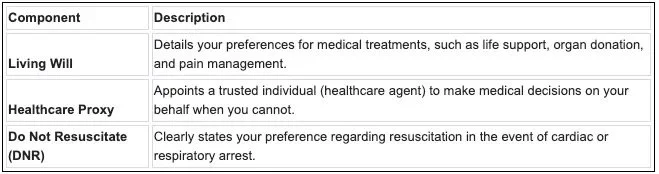
Healthcare Directives Can:
Empower Personal Choice: Healthcare directives empower individuals to make decisions about their medical care, ensuring that treatment aligns with personal values and beliefs.
Relieve Burden on Loved Ones: Designating a healthcare proxy alleviates the emotional burden on family members, who may otherwise face challenging decisions about your care.
Ensure Consistency in Care: With a living will, you can specify the level of medical intervention you desire, ensuring that your care is consistent with your preferences.
Avoid Potential Family Conflicts: Healthcare directives serve as a clear guide for family members, minimizing the likelihood of disagreements or conflicts regarding medical decisions.
Maintain Quality of Life: By outlining your preferences for end-of-life care and medical interventions, you can maintain control over the quality of life you desire, even in challenging health situations.
To Create Effective Healthcare Directives:
Consult with Healthcare Professionals: Before creating healthcare directives, consult with healthcare professionals to understand medical terminology and treatment options, ensuring your directives are clear and comprehensive.
Choose a Trusted Healthcare Proxy: Select someone you trust implicitly as your healthcare proxy. This individual should be willing to advocate for your wishes and make decisions aligned with your values.
Communicate Your Wishes: Share your healthcare directives with your healthcare proxy, family members, and primary healthcare providers. Open communication ensures that everyone is aware of your preferences.
Regularly Review and Update: Life circumstances and medical advancements may necessitate updates to your healthcare directives. Regularly review and revise them to reflect your current wishes.
Conclusion
Healthcare directives are powerful tools that allow individuals to maintain control over their medical care, even in times of incapacity. By clearly expressing your preferences through documents like living wills and appointing trusted healthcare proxies, you can ensure that your healthcare journey aligns with your values. Take the time to create and communicate your healthcare directives, offering yourself and your loved ones the peace of mind that comes with informed decision-making during challenging times.
Information in this post was sourced from:
American Bar Association. (2019). Advance Care Planning: Healthcare Directives.
National Institute on Aging. (2021). Making Your Wishes Known: Planning Your Medical Future.
The Conversation Project. (2021). Starter Kits for Health Care Directives.
Centers for Medicare & Medicaid Services. (2021). Advance Care Planning.
