
Understanding & Preventing Diabetes
Diabetes is one of the most prevalent chronic health conditions globally, impacting millions of people each year. According to the World Health Organization (WHO), about 422 million people worldwide have diabetes, and the numbers are rising at an alarming rate, particularly in low- and middle-income countries. Understanding the risk factors, types, and preventive measures can empower individuals and communities to take proactive steps toward managing and even preventing diabetes.
Types of Diabetes
There are three main types of diabetes: Type 1, Type 2, and gestational diabetes.
Type 1 Diabetes: An autoimmune condition where the body attacks insulin-producing cells in the pancreas. This type requires daily insulin injections as the body can no longer produce insulin on its own. It typically begins in childhood or young adulthood, though it can appear at any age.
Type 2 Diabetes: This is the most common form of diabetes, comprising around 90-95% of all cases. It typically develops in adults but is increasingly seen in younger populations due to lifestyle factors such as physical inactivity and unhealthy diets. In Type 2 diabetes, the body either resists insulin or doesn't produce enough, leading to elevated blood glucose levels.
Gestational Diabetes: This type develops during pregnancy and usually resolves after delivery, although it can increase the risk of Type 2 diabetes later in life for both mother and child. Gestational diabetes can lead to complications for both the mother and baby if not managed properly.
Risk Factors for Diabetes
Awareness of the risk factors for diabetes can support early diagnosis and encourage preventive lifestyle changes. While some factors are non-modifiable (such as family history), others can be managed or avoided.
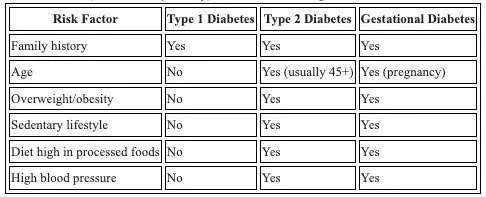
Note: Individuals with one or more risk factors should speak with their healthcare provider to assess their risk and potentially get screened.
Key Symptoms
Diabetes can sometimes be asymptomatic, especially in the early stages of Type 2. However, some common symptoms include:
Frequent urination: High glucose levels cause the kidneys to work harder to remove excess glucose from the blood, leading to increased urination.
Excessive thirst: As the body loses more water, dehydration sets in, resulting in persistent thirst.
Unexplained weight loss: Insufficient insulin prevents glucose from entering cells, so the body starts breaking down fat and muscle for energy.
Fatigue: Lack of insulin or insulin resistance results in insufficient energy in cells, leading to fatigue.
Blurred vision: High blood glucose levels can damage blood vessels in the retina, causing vision issues.
Preventing Diabetes
Diabetes prevention is focused mainly on reducing the risk of Type 2 diabetes, as Type 1 diabetes is largely not preventable. However, those at high risk can take several preventive measures to manage their health:
Maintain a Healthy Diet: Choose a balanced diet rich in whole grains, lean proteins, vegetables, and fruits. Limit intake of processed foods, sugary beverages, and unhealthy fats.
Exercise Regularly: Aim for at least 150 minutes of moderate-intensity exercise each week, such as walking, cycling, or swimming. Regular exercise helps the body utilize insulin more effectively.
Maintain a Healthy Weight: Even a 5-10% reduction in body weight can have a positive impact on blood glucose levels.
Monitor Blood Pressure and Cholesterol Levels: High blood pressure and cholesterol are linked with Type 2 diabetes. Routine check-ups and adherence to a heart-healthy lifestyle can reduce the risk.
Quit Smoking: Smoking can increase insulin resistance, making it harder for the body to manage blood glucose levels.
Stay Informed and Get Regular Screenings: Individuals with risk factors should consider annual blood sugar screenings to detect prediabetes or diabetes early.
Diabetes Education and Self-Management
For those diagnosed with diabetes, effective management is crucial to avoid complications. Diabetes education focuses on:
Blood Glucose Monitoring: Regular monitoring helps individuals understand how their food, activity, and medications affect their blood glucose levels.
Healthy Meal Planning: A diabetes-friendly diet focuses on whole foods and controlled portions to maintain stable blood sugar levels.
Medication Adherence: For those prescribed insulin or other medications, consistency is essential to manage blood glucose effectively.
Foot and Eye Care: Diabetes can lead to complications such as neuropathy and retinopathy. Regular check-ups with healthcare providers help in early detection and management.
Diabetes is a complex condition that requires proactive management and education to reduce its impact on individuals and communities. By understanding the types, risk factors, symptoms, and preventive steps, people can work towards reducing their risk or effectively managing diabetes for a healthier future.
Sources:
World Health Organization (WHO). "Diabetes." World Health Organization, 2021.
Centers for Disease Control and Prevention (CDC). "National Diabetes Statistics Report 2020." CDC, 2020.
American Diabetes Association (ADA). "Type 2 Diabetes Risk Factors." American Diabetes Association, 2021.
